
Pre-purchase inspections · A Triton guide
Published
Buying a car privately? Arrange these checks before you buy
Arrange an independent pre-purchase inspection before you commit to a private-sale vehicle. Start with the seller’s permission, the vehicle details, and a clear inspection scope. The goal is to understand its current condition and the important unknowns while you still have a buying decision to make.
Agree on access before arranging the inspection
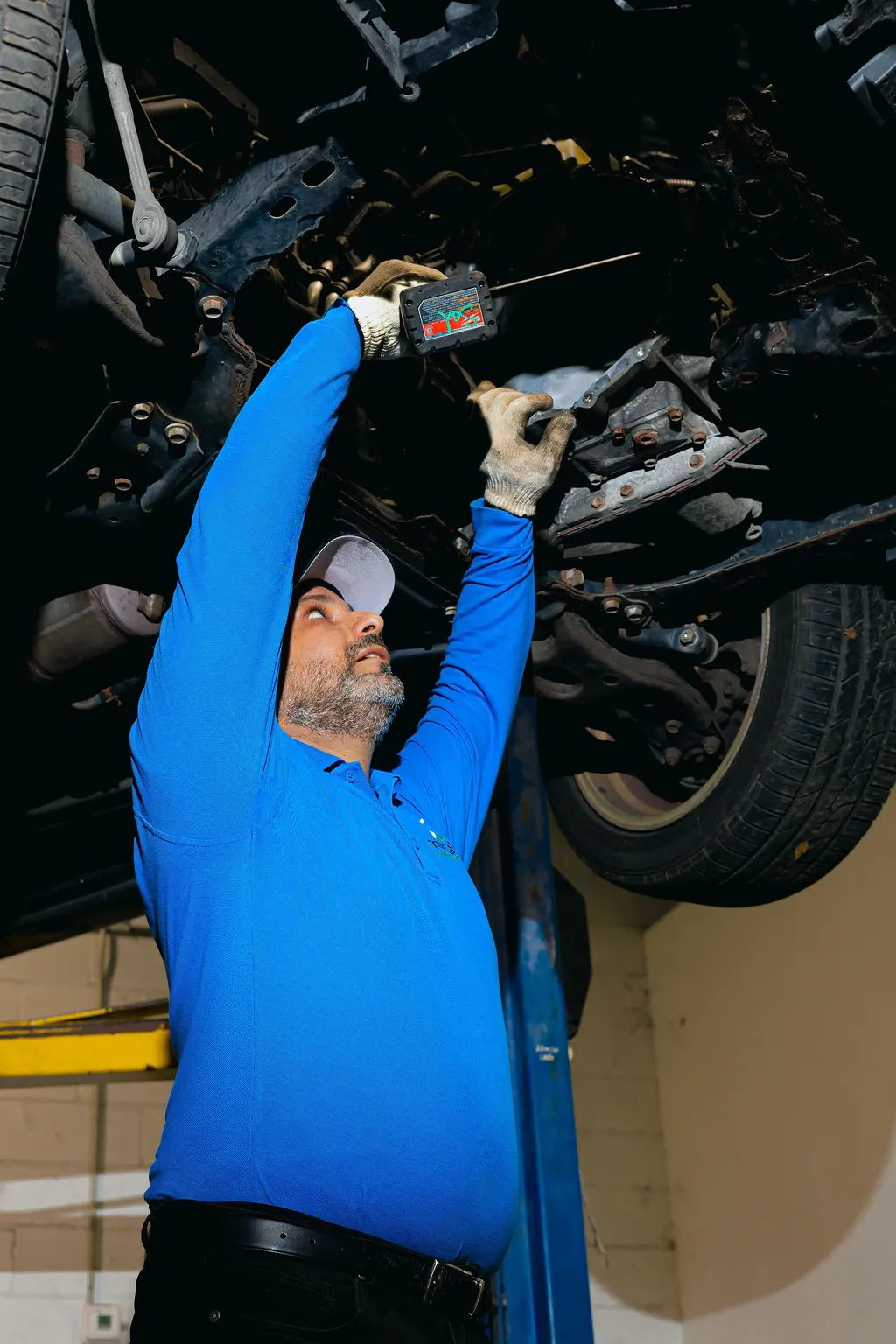
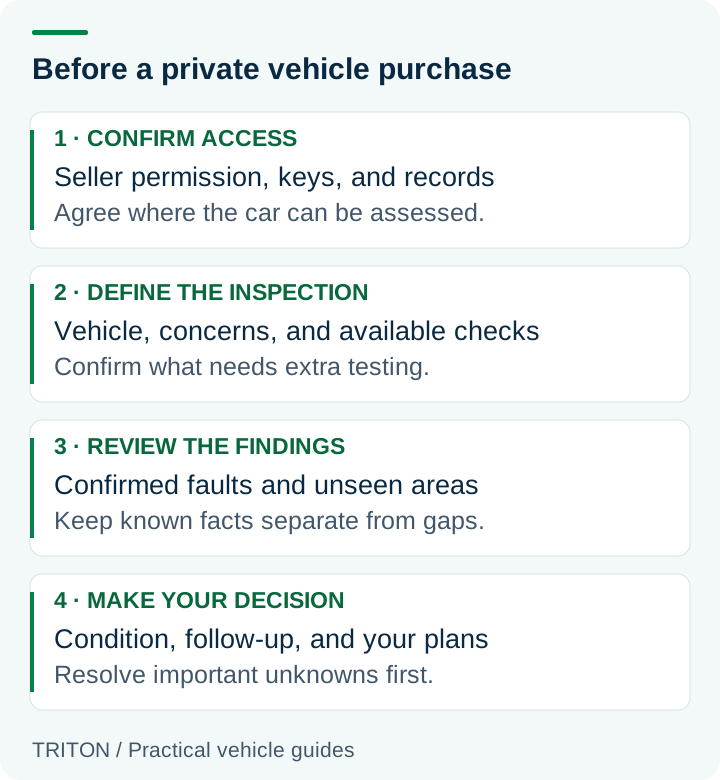
Ask the private seller whether an independent mechanic may inspect the car and whether it can be brought to a shop. Confirm who will bring the keys, how long the vehicle can be available, and whether the owner permits a road test. Share the year, make, model, mileage, VIN, and listing with the mechanic before setting a time. Mention anything the seller has already disclosed.
Coordinate the inspection before a payment or purchase deadline puts you under pressure. A seller who has another buyer waiting does not change what you need to understand about the car. If access is refused or a meaningful check cannot be completed, treat that as an unresolved limitation rather than assuming the unseen areas are fine. Decide whether to arrange another visit or continue looking.
Keep paperwork, history, and mechanical condition separate
Check that the vehicle details match the listing and the documents the seller provides. Ask for service invoices, the reason for selling, known faults, and information about earlier repairs. Use Virginia DMV’s current instructions for title and ownership questions. The mechanic’s assessment of the car does not establish that a seller can legally transfer it to you.
Virginia DMV offers a prospective purchaser inquiry containing a vehicle-history summary from its records; it is not a record of every event in every state. Separately, the FTC explains that a history report does not replace an independent mechanical inspection. That distinction is useful for a private purchase, although the FTC page’s dealer-specific legal requirements should not be assumed to apply to a private seller.
Bring any gaps to the inspection conversation: an unexplained engine replacement, missing maintenance records, or an invoice that says only “battery work.” An absence of paperwork is an unknown to discuss. It is neither proof of neglect nor proof that the work was completed correctly.
- Technical reference: Virginia DMV: prospective purchaser inquiry.
- Technical reference: Virginia DMV: vehicle titles.
- Technical reference: FTC: independent inspections and vehicle history.
Use a checklist to agree on the scope, not to assume a package
Ask which areas the inspection will assess and what access is needed. A useful scope discussion covers the engine or electric drive system, visible leaks, cooling, brakes, tires, steering and suspension, warning lights, cabin equipment, and signs that justify further investigation. The exact procedure depends on the vehicle and the conditions at the appointment.
For each important concern, ask how it will be checked. Looking at an accessible component is different from measuring it, scanning a control module, testing under operating conditions, or removing parts. A pre-purchase visit does not automatically include dismantling the engine, opening a high-voltage battery, or a specialist collision assessment. Agree on additional testing before authorizing it.
- What can be inspected from above and below the vehicle?
- Which operating checks and diagnostic scans are suitable for this model?
- Is a permitted, safe road test possible?
- Which checks require shop equipment or a separate appointment?
- How will findings and uninspected areas be explained to me?
A sticker, a scan, and a short drive answer different questions
A current safety-inspection sticker does not answer every pre-purchase question. The FTC distinguishes a mechanical inspection from a safety inspection. You still need to understand the particular car’s mechanical condition, maintenance needs, and limitations of the checks performed. Do not interpret “passed inspection” as a promise of future reliability.
Likewise, ask the mechanic to explain what a diagnostic result establishes and what remains uncertain. A listing that says “no warning lights” is not a complete condition report. Share the symptoms you noticed without trying to reproduce a potentially unsafe fault. If the vehicle cannot safely be driven, discuss inspection or transport arrangements instead of using a test drive to experiment.
Recall status is a separate check. Use NHTSA’s VIN lookup and follow up with the manufacturer for applicable recall instructions. Recall information can inform your purchase questions, but it cannot replace assessment of wear, maintenance, or a current drivability complaint.
Technical reference: NHTSA: vehicle recall lookup.
For a hybrid or Tesla, ask vehicle-specific questions
A used hybrid needs a whole-vehicle discussion, including its combustion engine as well as the hybrid system. The Department of Energy notes that hybrids and plug-in hybrids retain general maintenance needs associated with an engine. An electric vehicle has a different maintenance plan; a gas-car checklist cannot simply be copied across.
Ask what battery-related checks are available for this exact vehicle and what the results can establish. If the seller advertises a replacement or reconditioned battery, request the invoice, installed part details, date, and written coverage. Do not assume a label in the listing explains what was replaced, what remains used, or whether any warranty transfers to a buyer.
Tell the mechanic about charging concerns, unusual warnings, or missing records before the visit. Keep high-voltage inspection with a qualified technician; a buyer should not open a pack or disturb high-voltage components to investigate a sale. Our battery guide explains the questions behind repair and replacement claims.
Technical reference: U.S. Department of Energy: hybrid and EV maintenance.
Turn findings into a buying decision
Ask the mechanic to separate a confirmed defect, routine maintenance, and a concern needing more investigation. Find out which observations matter before any further driving and which require a follow-up check. If an area was inaccessible, keep that limitation in your notes; an uninspected component has not received a clean bill of health.
Then consider the car as a whole. Can you accommodate the identified work and the uncertainty that remains? Do you need a different vehicle immediately, or can you wait for further testing? A repair recommendation should identify its scope and assumptions. The buying decision also involves the seller’s terms, paperwork, and your plans for the car.
Keep the findings alongside the listing and service records so you can revisit them without relying on memory. An inspection describes what could be established at that visit. It cannot guarantee that a used car will never develop a fault or uncover every hidden or intermittent problem.
Arrange an inspection in Fairfax or Northern Virginia
Buying a private-sale car in Fairfax, Annandale, or Alexandria? Start with the seller’s exact address and permission for an inspection. Our shop is in Lorton; the seller’s location and available access determine whether a shop visit or a mobile appointment by arrangement is practical.
Triton offers pre-purchase inspections for regular gas vehicles, all hybrid makes and models, and Tesla electric vehicles. We do not inspect or repair diesel vehicles. Start by sending the vehicle information, seller’s location, available times, and any specific concerns. Sal can discuss whether the proposed visit gives enough access for your needs.
Inspections can take place at our Lorton shop. Mobile pre-purchase visits are also available by arrangement within a reasonable travel area; confirm the location and availability before promising the seller a visit. Distance, fuel, and time away from shop work can affect the quote. There is no published fixed travel radius or inspection price.
A quote request starts that conversation and does not book an appointment. Ask for the agreed inspection scope and charge before proceeding. Triton’s policy that diagnosis is included with a repair does not make a standalone buyer’s inspection free.
Questions to bring to the shop
- Does the seller permit the checks we need?
- What will you inspect, and what requires additional access?
- Which findings are confirmed, and which remain uncertain?
- What should be addressed before the vehicle is driven?
- What is the agreed inspection and travel quote?