
Fleet maintenance · A Triton guide
Published
A preventive maintenance plan for your small fleet
Start with one record for each vehicle, a maintenance schedule matched to that vehicle, and a clear way for drivers to report problems. Small-fleet management works better when upcoming service, unresolved faults, and repair approvals are visible in the same place. A calendar alone cannot tell you what each car needs.
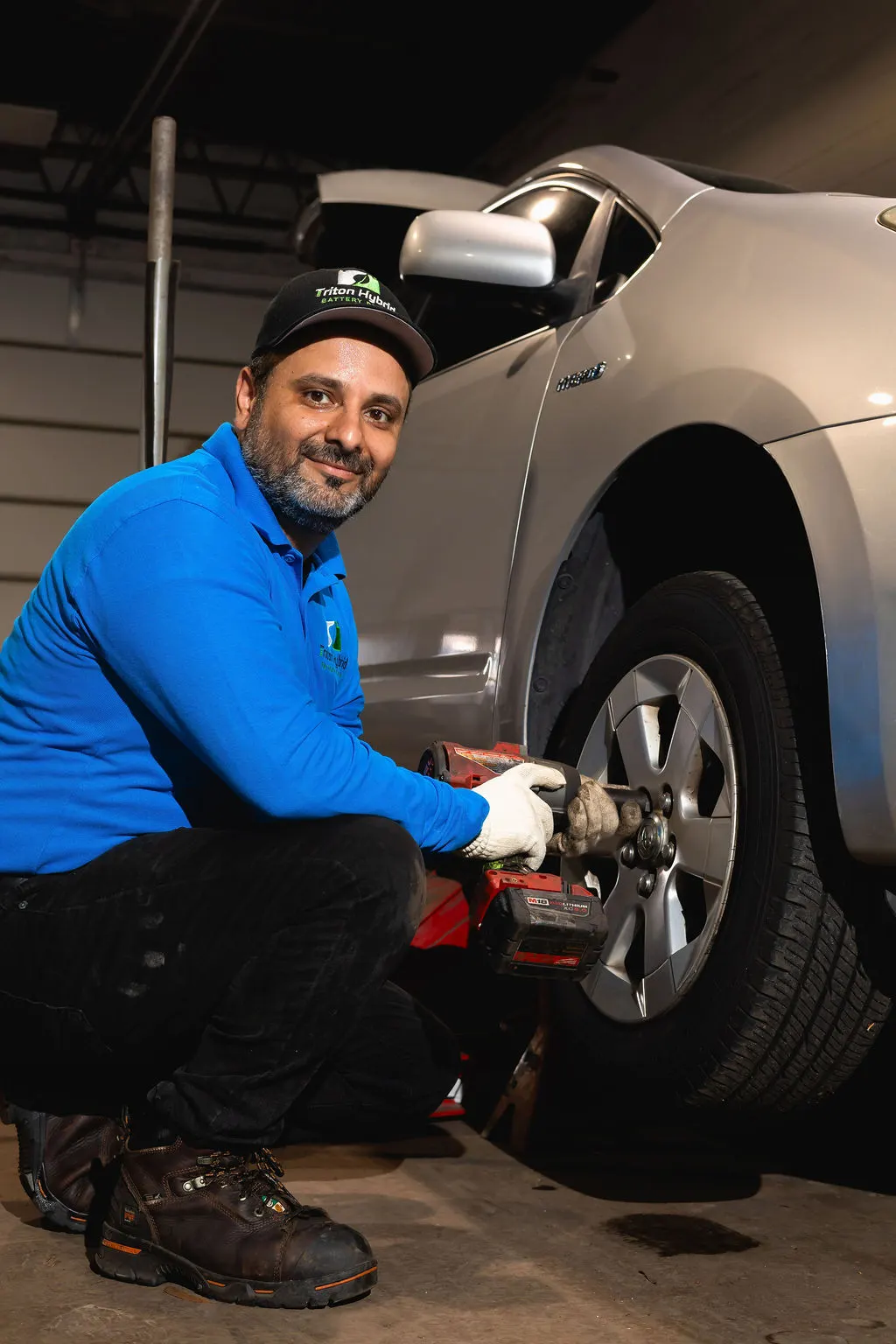
Build the vehicle list before building the schedule
Give every fleet vehicle a consistent name or unit number and record its VIN, year, make, model, powertrain, and current mileage. Add the driver or team responsible for it, its usual work, and where the service records are stored. A business with several similar cars still needs to distinguish them clearly when booking work or approving a quote.
Collect the latest invoices and note anything you cannot verify. Mark a missing service history as unknown rather than entering an assumed completion date. Record open repair recommendations separately from completed work. That distinction helps a new fleet manager understand what actually happened instead of interpreting an old estimate as proof that parts were replaced.
A shared spreadsheet or existing fleet system can be enough to organize this information. Choose a format your team will maintain. The important part is assigning responsibility for updating mileage, attaching invoices, and following up on unresolved items after each visit.
- Unit number and VIN.
- Mileage, date recorded, and usual operating conditions.
- Manufacturer maintenance reference for the model and year.
- Last completed services and supporting invoices.
- Open faults, next actions, and the person responsible.
Use the manufacturer’s schedule for each vehicle
Avoid one universal service interval for every vehicle in the fleet. Start with the current manufacturer instructions for the model, year, and powertrain, and discuss how actual use affects the plan. Tell the shop about repeated short trips, long idle periods, heavier loads, towing, or other conditions that may matter under the manufacturer’s guidance.
Track both elapsed time and mileage where the maintenance instructions use them. A car that travels little can still reach a time-based service requirement. A busy delivery vehicle may reach a mileage-based requirement earlier than the date someone originally entered on a calendar. Give the responsible person a regular opportunity to compare current readings with the plan.
If the history is incomplete, ask the shop how to establish a sensible starting point. Do not order every possible service merely because the records are missing. Explain what is known, review the vehicle’s condition, and agree on the checks needed to decide what should happen next.
Separate gas, hybrid, and Tesla requirements
Hybrids retain an engine as well as an electric drive system. The Department of Energy explains that their general maintenance resembles conventional vehicles, while fully electric vehicles have different needs and fewer engine-related service items. Maintain a vehicle-specific list instead of putting every unit on an oil-change reminder.
Tesla advises owners to consult the applicable manual for current recommendations. Its maintenance guidance includes tires, cabin filtration, brakes, and other items whose requirements can vary by vehicle or use. An EV still needs attention even though it does not need a traditional engine-oil change.
Keep charging observations with the relevant EV’s record, and keep engine-related complaints with the gas or hybrid vehicle concerned. Ask drivers to report the exact warning or change they notice. Descriptions such as “battery problem” can refer to very different concerns and should not substitute for the warning message or symptoms.
- Technical reference: U.S. Department of Energy: maintenance by powertrain.
- Technical reference: Tesla: vehicle-specific maintenance guidance.
Give drivers a simple way to report changes
Use a short reporting routine that fits how vehicles are handed over. Ask for the unit number, mileage, warning messages, new noises, unusual vibration, changes in braking or steering, visible damage, and other concerns. A photo taken while safely parked may communicate a warning more accurately than a driver’s memory of its wording.
Make the response clear as well: who receives the report, who contacts the shop, and who decides whether the vehicle should remain out of service while advice is sought. Do not leave a driver to choose between meeting a route deadline and reporting a serious concern. Follow the vehicle’s emergency guidance and arrange assistance when continued driving is unsafe.
A report needs a status and a next step. “Sent to the manager” is not the same as “assessed and resolved.” Close the loop after the visit so the driver knows what work was completed and what observations still need to be reported. Driver checks support professional service; they do not replace it.
Keep tires and everyday condition in the plan
NHTSA advises checking tire pressure when tires are cold and using the vehicle’s label or owner’s manual for the specified pressure. Its guidance also covers tread, damage, rotation, and alignment. Use those references and the vehicle’s instructions rather than assuming all cars or all axle positions use the same settings.
Record a concern when it appears instead of waiting for the next routine appointment. Uneven tire wear, a recurring pressure warning, or a new vibration deserves a conversation about the cause. If the shop recommends follow-up work, give that recommendation an owner and a due action so it does not disappear between drivers.
Build other vehicle-specific checks into the agreed maintenance plan, including relevant fluids, lighting, visibility, braking, cooling, and cabin systems. This is a planning discussion, not a universal technical checklist or a substitute for any inspection requirements that apply to your operation.
Technical reference: NHTSA: tire pressure and maintenance guidance.
Arrange shop visits around actual availability
Share upcoming maintenance needs before all the vehicles reach their next service point. Tell the shop which units are essential on particular days and which can be released more flexibly. Ask about appointment and parts availability. A proposed rotation can help you plan, but should not be treated as a guaranteed completion schedule.
Name one person who can approve work and provide an alternate contact. Explain how the business wants estimates and updates handled. If the technician finds additional work, the approval contact should be able to discuss the finding, any further testing, and the change in scope before the work proceeds.
Keep safety-related concerns separate from convenience decisions about scheduling. The fact that a vehicle is needed for tomorrow’s work does not establish that it is fit for that work. Discuss the vehicle’s condition and the next safe step with the shop.
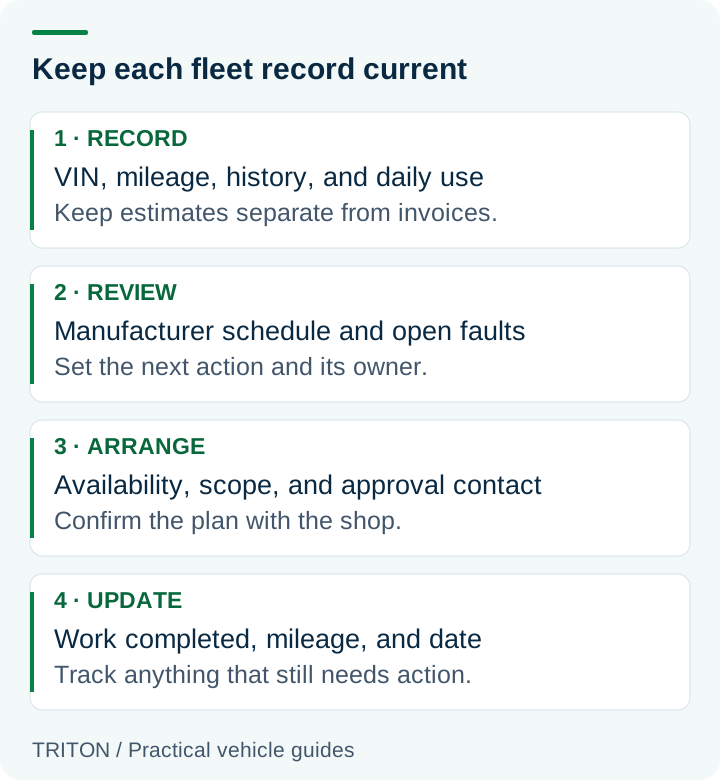
Update the record after every visit
Attach the invoice, record the completion date and mileage, and identify what work was performed. Keep the next service point separate from unresolved diagnostic questions. If a recommendation was deferred, note what follow-up was agreed rather than recording the whole vehicle as fully serviced.
Review recurring problems across visits. Are you seeing the same symptom return, different unrelated repairs, or missing information that prevents a clear diagnosis? Bring that history to the shop. A list of warning messages and operating conditions is more useful than simply saying the car is always in for repairs.
For a business based in Fairfax, Springfield, or Woodbridge, plan which vehicles can travel to the Lorton shop and who handles the return trip. Share those constraints before choosing drop-off times; a maintenance plan needs to fit the work your team must keep doing.
Triton provides ongoing fleet maintenance and individual fleet repairs from Lorton for gas vehicles, all hybrid makes and models, and Tesla EVs. Diesel vehicles are excluded. Share your vehicle list, current needs, and booking constraints to discuss an appropriate plan. Fleet maintenance here means vehicle service and repair; ask separately about any administrative, transport, or compliance needs rather than assuming those are included.
Discuss fleet maintenance and repair in Lorton
Evaluate a major fleet repair before deciding on replacement
Questions to bring to the shop
- Which maintenance instructions apply to each vehicle?
- What service history is missing?
- Who records driver concerns and arranges follow-up?
- Who can approve additional work?
- What work was completed, and what remains open?